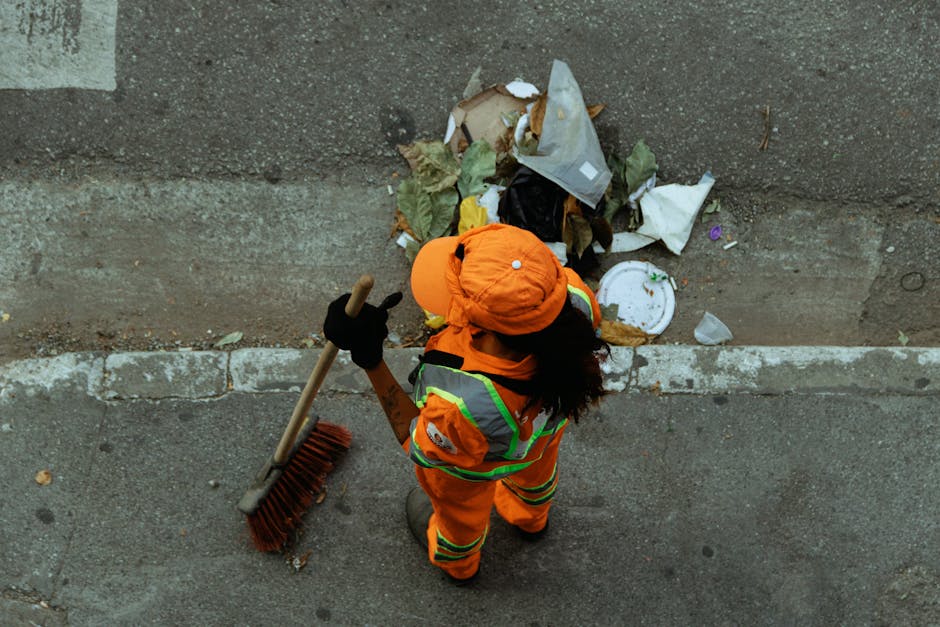
Westminster council rubbish rules for cleaners in Maida Vale

If you clean homes, flats, offices, or rental properties in Maida Vale, rubbish handling is not just a side task. It can affect access, safety, neighbour relations, and whether the job finishes smoothly or turns into a bit of a headache. The rules around Westminster council rubbish disposal can feel simple at first glance, but once you add mixed waste, bulky items, bin store access, recycling separation, and tight London streets, the picture gets more complicated. This guide breaks down Westminster council rubbish rules for cleaners in Maida Vale in plain English, so you can work tidily, stay compliant, and avoid the small mistakes that cause bigger problems later.
Whether you work on a one-off clean, regular domestic visits, end of tenancy jobs, or more intensive deep cleaning, it helps to know what belongs in the bin, what needs separate handling, and what should never be left on the pavement "for later". Let's face it, one bag in the wrong place can become a complaint very quickly in a busy block.
Why Westminster council rubbish rules for cleaners in Maida Vale Matters
Rubbish rules matter because cleaning work creates waste, and waste creates responsibility. In Maida Vale, that responsibility usually sits with the cleaner, the property manager, or the resident depending on the arrangement. If you are working professionally, you need to know who is responsible for what before you start piling up refuse bags in the hallway or taking bulky items downstairs with nowhere to go.
Westminster is a dense, built-up borough. Maida Vale has lots of mansion blocks, managed flats, period homes, and shared entrances. That means common issues are not theoretical. They show up as blocked bin stores, missing recycling separation, leftover packaging after a clean, and disputes about who should take out old clutter. One of the most frustrating things? A job can be spotless inside and still cause issues outside because waste was not handled properly.
There is also a trust angle. If you are a cleaner or a cleaning business, clients notice how you treat rubbish. They notice if you separate recyclables, if you ask about access to communal bins, and if you leave the place looking calmer rather than messier. It sounds small, but it says a lot about your standards. A tidy exit is part of the service.
Practical takeaway: good rubbish handling is not just about avoiding trouble with the council. It is about protecting your reputation, saving time, and making sure the clean feels finished.
How Westminster council rubbish rules for cleaners in Maida Vale Works
At a practical level, rubbish management in Maida Vale usually works in layers. First, you identify the type of waste. Then you decide where it can legally and safely go. Then you check access, collection timing, and whether the property has its own bin arrangement. Simple in theory. Slightly less simple when you are standing in a basement kitchen with three bags of mixed waste, a broken mop head, and a client asking where the old boxes should go.
For most cleaning jobs, the waste falls into a few broad groups:
- General household waste such as dirty cloths, wipes, food residue, and non-recyclable packaging.
- Dry mixed recycling where local bin arrangements allow it, such as clean cardboard or certain plastics.
- Bulky waste like broken furniture, mattresses, or large dismantled items.
- Special or risky waste such as chemicals, sharps, or anything contaminated beyond normal domestic waste.
The main thing to understand is that cleaners should not assume that every item can just be put into the nearest bin. Shared bin stores often have rules of their own, and many buildings in Westminster are managed with more care than a standard street bin. If bins are full, if the waste type is wrong, or if the item is not permitted, you may need the client or landlord to arrange another route.
For cleaning teams, it is often best to build waste handling into the job plan before arriving. That means asking simple questions: Is there access to the bin store? Are recycling bins clearly labelled? Is there any old waste already in the property? Are you expected to remove anything, or only bag it up neatly? Those questions save an embarrassing amount of time later.
For bigger cleans, especially after renovations, it may be more appropriate to use a service such as after builders cleaning where dust, rubble, packaging, and post-work debris need a more structured approach than a normal domestic visit. Likewise, if waste is tied to a full flat clearance rather than a simple clean, the issue is no longer just "taking rubbish out"; it becomes a broader clearance job.
Key Benefits and Practical Advantages
Getting rubbish handling right brings a few very real benefits, and they go beyond sounding organised.
- Fewer complaints from residents, neighbours, and building managers.
- Less time wasted on return trips, blocked bin stores, or confusion over sorting.
- Better hygiene because waste is not left around indoors longer than needed.
- Lower contamination risk when recyclables and general waste are kept separate.
- Cleaner handover at the end of tenancy or after a deep clean.
- Stronger professional image for cleaners and cleaning companies.
There is also a commercial advantage that is easy to miss. When a cleaner understands local rubbish rules, they can scope jobs more accurately. That affects pricing, timing, staffing, and whether a job needs extra support. If you offer one-off cleaning or end of tenancy cleaning, this matters a lot because waste volume can change from one property to the next. Truth be told, waste is one of the things that can quietly turn a tidy, profitable job into a longer one.
For clients, the advantage is simpler: they get a property that looks truly finished. Not just wiped and vacuumed, but properly cleared down so that the bins are not overflowing and the entrance does not look like a mini skip site.
Who This Is For and When It Makes Sense
This topic is relevant to anyone handling waste as part of cleaning work in Maida Vale, but a few groups need it most.
- Domestic cleaners who regularly bag waste, empty small bins, or tidy kitchens and bathrooms.
- End of tenancy cleaners who often find leftover rubbish, food waste, packaging, and abandoned items.
- Office cleaners dealing with paper waste, packaging, and shared bin areas.
- Deep cleaning teams where accumulated clutter, dust, and debris need more careful sorting.
- Landlords and letting agents who want a smooth handover with no bin-store drama.
- Building managers and concierges who need contractors to follow site rules properly.
It also matters for cleaners working in properties where the client expects more than basic surface cleaning. For example, a family may ask you to clear out food packaging from behind appliances, but not to remove old furniture. Or a flatshare may want all general waste bagged neatly, while recycling must stay in the correct containers. Small difference, big consequences if handled casually.
If you are a cleaner working in Maida Vale and your jobs cross over with carpet care, upholstery, or harder surfaces, you may already know that different services create different waste streams. A carpet cleaning appointment may leave lint, debris, and dirty water management to think about, while window cleaning may create little waste but still need care with cloth disposal and packaging. It is all part of the same bigger picture.
Step-by-Step Guidance
If you want a simple workflow, use this. It is the kind of routine that prevents mistakes without slowing the job down too much.
- Confirm the waste arrangement before arrival. Ask whether there is a bin store, recycling area, collection day restriction, or any building-specific rule.
- Check what is included in your service. Are you only bagging rubbish, or are you expected to remove it from the property too?
- Separate waste as you go. Keep general waste apart from recyclables where practical. Do not build a single mystery bag and hope for the best.
- Bag waste securely. Use strong bags, avoid overfilling, and tie them properly. A split bag on a staircase is nobody's idea of progress.
- Use the correct route out. Follow the building's access rules, lift rules, and quiet-hour expectations where relevant.
- Place waste only where it is permitted. Do not leave it beside a bin if the bin is full unless the property owner has asked you to and the site permits it.
- Document anything unusual. If you find damaged waste, sharps, chemicals, or large items, note it and tell the client straight away.
- Reset the area. Wipe surfaces, check under sinks, and make sure the waste area does not smell or look forgotten.
One useful habit is to treat rubbish like a separate mini-checklist inside the main clean. If you fold it into the normal flow, it is less likely to be missed. At around 4pm on a packed weekday, that small habit can save you from having to jog back down three floors with an extra bag after you have already packed up. Not fun.
If waste removal is likely to be more involved, it may be worth considering house clearance support rather than forcing a standard cleaning appointment to do work it was not designed for. That distinction matters more than people think.
Expert Tips for Better Results
After enough cleaning jobs, a few practical habits make a real difference.
- Ask about bin access before quoting. A building with easy, labelled bins is very different from one with restricted access or no clear waste area.
- Carry spare bags. It sounds obvious, but people run short at the worst moment.
- Keep recycling and general waste separate from the start. Cross-contamination is easier to prevent than to fix.
- Use gloves and clean hands properly afterwards. Waste handling can be deceptively grubby even on a "light" job.
- Take a photo internally for your own records if allowed by your process. It can help when a client later asks what was left behind. This is more about tidy recordkeeping than drama.
- Be clear about boundaries. If the job includes rubbish bagging but not disposal, say so upfront.
Another small but useful point: if the property has recurring waste issues, suggest a regular cleaning rhythm rather than letting rubbish build up. In practice, a weekly domestic clean can prevent a lot of bin overflow, especially in shared homes.
And yes, sometimes the best tip is simply to slow down for thirty seconds and look properly. Most rubbish mistakes happen when people are rushing out the door and think, "that'll do." It usually doesn't.
Common Mistakes to Avoid
These are the errors that most often create hassle for cleaners in Maida Vale.
- Leaving waste in communal hallways. Even if it is temporary, it can block access and annoy neighbours.
- Mixing recycling with general waste. This can make a bin unusable and cause the whole bag to be treated as residual waste.
- Assuming bulky items are included. They often are not, unless the service agreement says so.
- Ignoring building rules. Some properties have strict instructions about service lifts, bin stores, and contractor access.
- Overfilling bags. A heavy bag is harder to carry, more likely to split, and more likely to leave marks on stairwell walls. Nobody wants that.
- Not checking for hazardous items. Sharps, chemicals, and unknown liquids need extra caution.
- Failing to clarify responsibility. If the client thought you were taking the rubbish away but you only meant taking it to the bin store, it can get awkward fast.
A quieter mistake is underpricing waste handling. If a job is likely to involve heavy bin use, bagging, carrying, or sorting, factor that in from the beginning. Otherwise, you end up doing more work than planned, which is never a good feeling.
Tools, Resources and Recommendations
You do not need a warehouse of kit to handle rubbish properly, but a few items make life easier.
- Strong bin bags suited to the expected load.
- Gloves for hygiene and grip.
- Labelled sorting bags or boxes if the job requires separating waste streams.
- Cleaning cloths and surface wipes for the bin area after rubbish is removed.
- Torches or phone lights for looking behind appliances or under sinks, where rubbish often hides in plain sight.
- Job notes or checklist sheets so waste handling does not get forgotten when the work is busy.
For service planning, it helps to pair rubbish guidance with your wider cleaning setup. If you run a professional operation, the standards behind cleaning company processes, health and safety policy, and recycling and sustainability practices all support the same goal: work neatly, reduce risk, and avoid needless waste.
If you are pricing jobs, remember that waste handling can add time. You may want to review your service tiers using the guidance on pricing and quotes. That is especially sensible for larger flats, office spaces, or properties with awkward access.
Law, Compliance, Standards, or Best Practice
For waste handling, the safest approach is to follow the relevant local arrangements, building rules, and accepted UK waste practices. You do not need to become a legal specialist to do this well, but you do need to avoid casual assumptions. In plain terms: rubbish should be stored, separated, and presented in line with the property's bin system and the service you have agreed to provide.
From a best-practice point of view, cleaners should:
- avoid leaving waste in shared spaces unless explicitly permitted;
- respect recycling separation where practical;
- handle any suspicious or hazardous items carefully;
- keep clear boundaries between cleaning and disposal responsibilities;
- record exceptions, such as blocked bins or client instructions.
If the waste is beyond normal domestic refuse, the situation changes. Think furniture, large bags from a clearance, renovation debris, or contaminated items. That is where service scope, building access, and duty of care become much more important. A normal cleaner should not be expected to improvise with waste that clearly needs a different solution.
This is also where business trust comes in. Clients feel more confident when a cleaner has clear insurance and safety arrangements, sensible terms and conditions, and a transparent process for handling issues. It is not flashy, but it matters.
Options, Methods, or Comparison Table
Not every job should be handled the same way. Here is a simple comparison that can help when deciding how to deal with rubbish on site.
| Method | Best for | Advantages | Limitations |
|---|---|---|---|
| Bag and place in resident bin | Small domestic waste during routine cleaning | Quick, simple, low disruption | Depends on bin access and available space |
| Separate recycling and general waste | Homes and offices with clear bin systems | Cleaner finish, better sorting, less contamination | Takes a little more time and attention |
| Hold and report to client | Hazardous, bulky, or unclear waste | Reduces risk and keeps responsibility clear | May delay completion until client decides next step |
| Arrange a clearance-style service | Large amounts of waste or abandoned items | Better suited to heavy jobs and complex removals | More involved than a standard clean |
For normal domestic work, a standard bag-and-bin approach is often enough. For bigger messes, do not force the wrong method. That is how little jobs turn into long evenings.
Case Study or Real-World Example
Picture a typical Maida Vale flat on a Friday morning. The cleaner arrives for an end-of-tenancy clean. The kitchen is tidy enough, but there are three bags of mixed rubbish, a few cardboard delivery boxes, old bathroom items, and a bin store that is already nearly full. There is also a note from the letting agent saying the flat must be handed back clean and clear, with nothing left in communal areas.
What happens next makes all the difference.
A careful cleaner first checks what can go into the building's bins and what cannot. Cardboard is flattened. General waste is bagged securely. Anything uncertain is set aside and reported. Instead of carrying everything out in one rushed trip and leaving a bag near the back door, the cleaner works methodically and confirms with the client what was removed and what still needs attention.
The result? No complaint from the block, no awkward email from the agent, and a much better final impression. The flat smells cleaner too, which sounds obvious, but anyone who has opened a warm kitchen bin after a long day knows exactly why that matters.
If the same property had contained more than ordinary waste, a better fit might have been a specialist end of tenancy clean followed by a separate waste solution. That separation keeps the job fair for everyone.
Practical Checklist
Use this checklist before and during a job in Maida Vale.
- Confirm bin access and any building rules.
- Ask whether rubbish disposal is included in the service.
- Check whether recycling must be separated.
- Bring enough strong bags for the job.
- Identify bulky, hazardous, or unusual waste early.
- Keep rubbish out of shared walkways and entrances.
- Do not overfill bags or leave loose waste beside bins.
- Document anything the client should know about.
- Clean and reset the waste area before finishing.
- Review the job notes so next time is smoother. Small habit, big difference.
Quick summary: the cleaner who handles rubbish carefully tends to finish better, get fewer complaints, and spend less time solving avoidable problems. It really is that simple. Not easy always, but simple.
Get a free quote today and see how much you can save.
Conclusion
Westminster council rubbish rules for cleaners in Maida Vale are best treated as part of professional cleaning, not an afterthought. Once you understand the local waste setup, the building rules, and the scope of your job, everything becomes easier: better pacing, fewer mistakes, fewer complaints, and a tidier final result. That is the kind of detail clients remember.
If you work in this part of London, the real win is consistency. Handle rubbish neatly, clarify what is included, and match the job to the right level of service. Whether you are carrying out routine domestic work or something more specialised like office cleaning or a deeper property reset, the same principle applies: leave the space cleaner, calmer, and easier for the next person to use.
And honestly, that is good service. No drama. Just done properly.
Frequently Asked Questions
What are Westminster council rubbish rules for cleaners in Maida Vale in simple terms?
In simple terms, cleaners should only place waste where it is allowed, separate recycling where practical, avoid blocking shared areas, and follow the property's bin arrangement. If the waste is bulky, hazardous, or unclear, it should be handled separately rather than guessed at.
Can a cleaner take rubbish out to the communal bins in Maida Vale?
Usually yes, if the property or building allows it and the cleaner has been asked to do so. The important bit is confirming access, bin availability, and whether the client expects disposal or just bagging and sorting inside the property.
What should a cleaner do if the bin store is full?
If the bin store is full, the cleaner should not leave rubbish in a hallway or outside an entrance unless that is specifically permitted. The safer option is to report the issue to the client or building manager and agree the next step.
Do cleaners need to separate recycling from general waste?
Where the property's bin system supports recycling, yes, it is best practice to separate materials properly. It keeps the job tidier, avoids contamination, and shows care for the property. It also makes a good impression, which never hurts.
Can a cleaner leave rubbish bags next to the bins if they are full?
Not by default. Some buildings have specific arrangements, but in general you should not assume a bag can simply be left beside a full bin. That can create access problems and complaints very quickly.
What kinds of waste are not suitable for normal cleaning jobs?
Bulky furniture, renovation debris, sharps, chemicals, and anything contaminated beyond normal domestic waste are usually not suitable for a routine clean. These items may need a different service or a separate disposal plan.
How does rubbish handling affect end of tenancy cleaning?
It matters a lot. End of tenancy jobs often involve leftover bags, boxes, food packaging, and forgotten items. If rubbish is not handled properly, the flat can look unfinished even after the rest of the clean is complete.
Should cleaning quotes include rubbish removal?
They should if rubbish removal is part of the agreed work. If it is not included, that needs to be stated clearly. Quotes are much easier to manage when waste handling is defined in advance rather than discovered halfway through the job.
What if a client asks a cleaner to remove bulky items?
The cleaner should check whether that falls within the service scope. If not, it may need a different arrangement such as a clearance-style service. It is better to be clear upfront than to promise something the team cannot safely do.
Are there special safety concerns when handling rubbish during cleaning?
Yes. Bags can contain sharp objects, broken glass, leaking liquids, or unpleasant biological waste. Gloves, careful lifting, and good judgement matter. If something looks off, treat it with caution rather than curiosity.
How can a cleaner in Maida Vale stay compliant without overcomplicating things?
Keep it practical: ask questions before the job, follow building rules, separate waste properly, and record anything unusual. You do not need a fancy system. You need a reliable one.
Is rubbish handling different for offices and homes?
Yes, often. Offices may have stricter bin areas, more paper and packaging waste, and different access rules. Homes usually involve domestic waste and recycling, but shared buildings can still add complexity. Either way, planning ahead makes the work much smoother.
Where can I find more information about the company's standards and service approach?
You can review the company's about us, cleaner services, and policies such as health and safety policy and complaints procedure to understand how work is handled in a professional, accountable way.