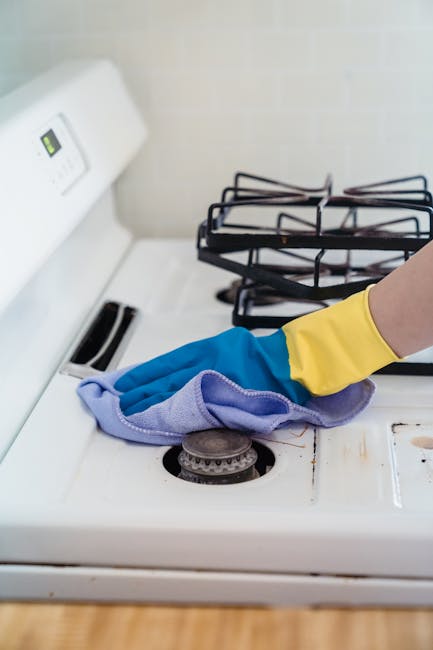
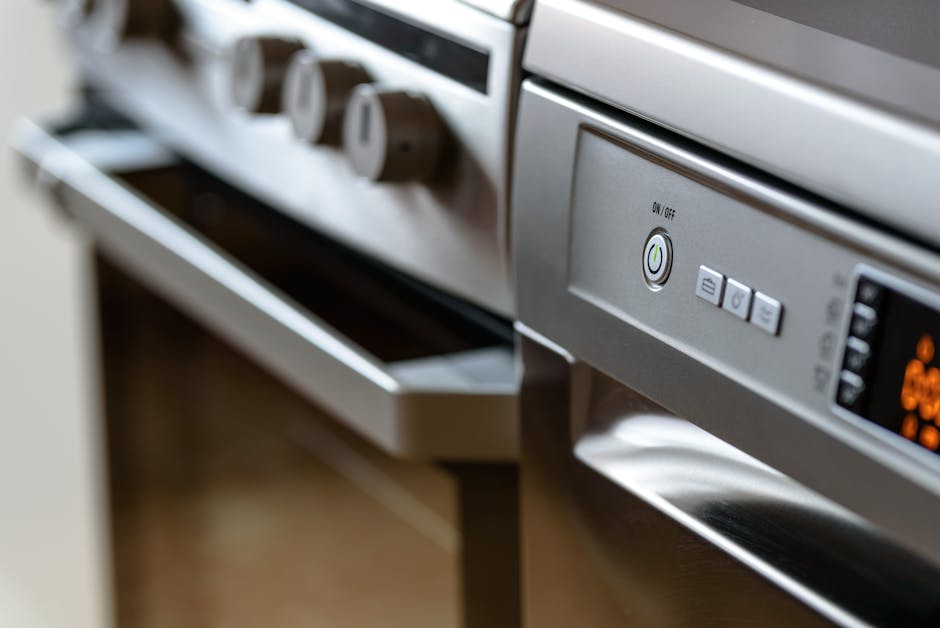
Kitchen grease removal and oven cleaning Maida Vale homes
If your hob has that sticky film that never quite shifts, or the oven door has gone from clear glass to something vaguely amber, you already know the problem. Kitchen grease builds up quietly, then suddenly it is everywhere: splashbacks, extractor fans, cabinet handles, even the floor around the cooking area. In Maida Vale homes, where kitchens are often compact, busy, and well used, kitchen grease removal and oven cleaning can make an outsized difference to how a home looks, smells, and feels.
This guide walks through what proper grease removal involves, how oven cleaning is usually handled, what to avoid, and when it makes sense to bring in a professional. You will also find practical steps, a comparison table, and a checklist you can actually use. No fluff. Just the stuff that helps.
Table of Contents
- Why Kitchen grease removal and oven cleaning Maida Vale homes Matters
- How Kitchen grease removal and oven cleaning Maida Vale homes Works
- Key Benefits and Practical Advantages
- Who This Is For and When It Makes Sense
- Step-by-Step Guidance
- Expert Tips for Better Results
- Common Mistakes to Avoid
- Tools, Resources and Recommendations
- Law, Compliance, Standards, or Best Practice
- Options, Methods, or Comparison Table
- Case Study or Real-World Example
- Practical Checklist
- Conclusion
- Frequently Asked Questions
Why Kitchen grease removal and oven cleaning Maida Vale homes Matters
Grease is not just an eyesore. It is a mix of cooking oils, airborne fat, dust, steam residue, and tiny food particles that settle onto surfaces and slowly harden. In a working kitchen, that layer becomes tacky, then sticky, then stubborn. By the time people notice it, it has usually spread further than expected. And yes, the oven is often the worst offender.
In Maida Vale, many homes have lived-in kitchens that do a lot of heavy lifting: quick weekday meals, weekend roasts, shared houses with high use, family cooking, and the occasional late-night snack session. That means grease can build up around the oven cavity, extractor hood, tiles, cupboard edges, and behind appliances. It also tends to cling to textured surfaces, which makes DIY wipe-downs feel a bit hopeless. To be fair, that is where most people get stuck.
Beyond appearance, grease matters because it affects hygiene and performance. Ovens with heavy carbonised residue can take longer to heat evenly, smell when in use, and make cooking less predictable. Kitchen surfaces with grease build-up can attract more dirt, which means cleaning gets harder over time rather than easier. You know the drill: the longer you leave it, the less pleasant it becomes.
Expert summary: If grease has become dark, sticky, or baked on, the job is no longer a quick wipe. At that stage, you need a method that breaks down residue safely without damaging surfaces, seals, or finishes.
For households that want a cleaner, fresher kitchen without spending half a Saturday scrubbing, a proper deep clean is often the sensible route. Many residents pair kitchen work with deep cleaning or one-off cleaning when the whole home needs a reset, while oven-specific jobs often sit alongside oven cleaning or a dedicated oven cleaner service.
How Kitchen grease removal and oven cleaning Maida Vale homes Works
Professional grease removal usually starts with identifying the type of residue. Fresh cooking grease is relatively straightforward. Baked-on grease, carbon deposits, and sugary splashes are different beasts altogether. The cleaner has to match the method to the material, which sounds obvious, but that is exactly where a lot of DIY attempts go sideways.
A proper kitchen grease clean normally involves a sequence like this:
- Inspect the kitchen surfaces and identify problem areas.
- Protect delicate finishes, seals, and nearby items.
- Apply a suitable degreasing solution and allow dwell time.
- Agitate stubborn areas with the right cloths, pads, or tools.
- Remove softened residue carefully and repeat where needed.
- Finish with detail cleaning so the surface is not just cleaner, but actually usable.
Oven cleaning is more detailed. Depending on the oven type, the process usually includes racks, trays, side panels, fan covers, glass, seals, door edges, and the cavity itself. A deep oven clean is not just about shine. It is about removing build-up without scratching enamel or damaging elements. The cleaner has to be patient. Not glamorous, but it works.
Some ovens have self-cleaning or pyrolytic features, and those can help with light maintenance, but they do not replace hands-on degreasing in many homes. Likewise, steam alone may loosen surface dirt but often struggles with old residue. A practical clean often combines chemistry, dwell time, and careful manual work. Bit of a dance, really.
In family kitchens or shared homes, a full clean may also include nearby flooring and splash zones. If grease has reached tiled or sealed floors, it can be useful to combine the job with hard floor cleaning so the kitchen feels coherent again rather than half done.
Key Benefits and Practical Advantages
Clean kitchens are not just nicer to look at. They are easier to cook in, easier to maintain, and less frustrating to live with. That last one matters more than people admit. A greasy kitchen quietly drains energy every time you walk in and think, "I really need to sort that out."
Here are the most practical benefits of proper grease removal and oven cleaning:
- Better hygiene: Grease traps crumbs and dirt, so removing it helps keep food prep areas fresher.
- Improved appearance: Cabinets, splashbacks, hobs, and the oven door all look brighter immediately.
- Less odour: Old grease can smell stale or smoky when heated.
- Easier daily cleaning: Once the heavy layer is gone, routine wipes actually work.
- Reduced wear on surfaces: Scrubbing too hard at built-up residue can damage finishes; proper cleaning helps avoid that.
- More enjoyable cooking: It sounds small, but a clean oven and fresh kitchen do change the whole feel of the room.
There is also a practical money angle, though it is not dramatic. A well-maintained oven may be less likely to suffer from avoidable grime-related issues, and a clean kitchen can make end-of-tenancy handovers, property listings, or landlord inspections feel less stressful. For rental homes in particular, people often choose end of tenancy cleaning when kitchen build-up is part of a broader move-out clean.
Small win, big relief. A kitchen that feels clean tends to get used more efficiently. People wipe as they go, spills do not sit for days, and the whole space behaves better. Simple as that.
Who This Is For and When It Makes Sense
This service makes sense for more people than you might think. It is not only for homes that have been neglected. Sometimes the kitchen is just busy. That is enough.
You may need kitchen grease removal or oven cleaning if:
- the oven gives off smoke or a strong smell during cooking;
- the oven glass is clouded by baked-on residue;
- the hob, extractor, or splashback feels sticky after normal cleaning;
- cupboard fronts near the cooker keep attracting grime;
- you are preparing to move out or hand a property back;
- you have recently hosted a lot and the kitchen took a beating;
- you simply do not want to spend your own evening scraping at burnt fat.
In Maida Vale homes, the need often comes up after busy family periods, winter cooking, or before guests arrive. Sometimes it is a practical reset after a long stretch of takeaway boxes, quick dinners, and everyday life doing what everyday life does. No shame in that.
It can also be useful if you are combining kitchen work with broader domestic upkeep. A lot of people book this sort of job alongside domestic cleaning, house cleaning, or support from home cleaners when the priority is convenience and consistency.
Step-by-Step Guidance
If you are tackling grease yourself, structure helps. Rushing usually makes matters worse, especially on ovens. Here is a sensible approach.
1. Clear the space first
Remove trays, pans, loose accessories, magnets, and anything that could get in the way. Wipe crumbs away before adding moisture. If you start with a greasy, crumbly surface, you will simply make paste. Not ideal.
2. Ventilate properly
Open windows if you can and switch on extraction. Kitchens can hold strong cleaning odours, especially when you are dealing with old fat. Fresh air helps the job feel less heavy and reduces the chance of irritation.
3. Apply degreaser strategically
Use a cleaner designed for grease, but do not over-saturate the surface. Let it sit for the recommended dwell time. That pause matters more than people expect. It gives the product a chance to soften residue instead of just sliding off.
4. Work from the cleanest area to the dirtiest
Start with lighter grime on the outer surfaces, then move to the oven door, seals, racks, and cavity. This reduces cross-contamination. It also keeps cloths usable for longer, which is handy unless you enjoy rinsing them every two minutes.
5. Use gentle agitation
Microfibre cloths, soft pads, and non-scratch tools are usually better than brute force. For stubborn build-up, repeat the process rather than attacking it with something harsh. Patience beats pressure.
6. Rinse and detail
Any cleaner residue left behind can smear or attract more dirt. Wipe thoroughly with clean water where appropriate, then dry the surface. Details matter: around knobs, hinges, seals, and handles is where the kitchen either looks finished or slightly half-hearted.
7. Recheck hotspots
Look again at the extractor edge, hob sides, door lip, and lower oven panel. These are the places people miss. They are also the places that make the whole kitchen feel not quite clean.
Expert Tips for Better Results
There are a few practical habits that make the job easier and safer. Nothing fancy. Just the sort of advice that saves time and frustration.
- Do not mix cleaning products. It can create fumes or reduce effectiveness. Use one product at a time and follow the label carefully.
- Test on a small area first. This matters on painted cupboards, stainless steel, and coated glass.
- Warmth helps, heat does not. A slightly warm surface may clean better, but hot surfaces are risky and can make products evaporate too fast.
- Change cloths often. A dirty cloth just spreads the grease around. Simple, but easy to ignore.
- Go slower on the oven glass. Scratching the door makes the whole appliance look tired even if the rest is clean.
- Keep a maintenance rhythm. A quick wipe after cooking prevents the thick, baked-on layer that becomes a weekend project.
If your home has sensitive finishes or you are not sure what the surfaces can take, it is often better to choose a professional clean than to gamble. That is especially true in fitted kitchens where replacement panels or seals are not cheap and nobody wants to be dealing with that.
One more thing: extractor fans are often overlooked. They collect sticky residue fast, and that residue then drips or spreads. If you only clean the oven and hob, the kitchen may still feel oddly greasy. It's a bit like polishing one shoe and forgetting the other.
Common Mistakes to Avoid
Most bad outcomes come from a few predictable mistakes. If you avoid these, you are already ahead.
- Scrubbing too aggressively: This can damage glass, enamel, and cupboard finishes.
- Using the wrong abrasive pad: Non-scratch is not a marketing slogan; it matters.
- Leaving residue behind: Grease remover that is not fully wiped away can leave streaks or a film.
- Cleaning too quickly: If the product needs dwell time, give it the time. Rushing wastes effort.
- Ignoring seals and hinges: These small areas hold surprising amounts of grime.
- Forgetting the floor around the cooker: Grease often falls there first.
- Assuming self-cleaning means maintenance-free: It usually does not.
A common one in Maida Vale homes is simply underestimating how much grease has spread beyond the obvious area. You start at the oven, then realise the cabinets beside it have a thin sticky haze too. Slight groan. Then you keep going anyway.
Tools, Resources and Recommendations
You do not need a van full of kit to clean a greasy kitchen properly, but you do need the right basics. The wrong tools can make the job longer and more frustrating than necessary.
| Option | Best for | Pros | Limitations |
|---|---|---|---|
| Microfibre cloths | Everyday grease and final wipe-downs | Good lift, reusable, low risk of scratches | May need several cloths for heavy jobs |
| Dedicated degreaser | Hob, extractor, cupboard fronts, splash zones | Speeds up residue removal | Requires careful use and proper wiping |
| Soft non-scratch pads | Baked-on but delicate surfaces | Helpful without being too harsh | Not suitable for every finish |
| Oven-specific cleaner | Internal oven build-up, trays, glass | Targets heavy carbon and fat | Needs patience and good ventilation |
| Professional clean | Severe build-up, busy homes, move-outs | Thorough, efficient, less hassle | Costs more than DIY, but saves time |
For many households, the practical decision is not DIY versus professional in a strict sense. It is more like: what is worth your time, and what could go wrong if you rush it? A basic wipe-down is one thing. A full oven restoration after months of use is another. Very different jobs.
If you want to understand broader service options around the home, it can help to look at cleaning company information, or compare related services such as house cleaning and one-off cleaning when you only need a single visit rather than a recurring arrangement.
Law, Compliance, Standards, or Best Practice
For most homeowners, kitchen grease removal and oven cleaning is a household maintenance task rather than a regulated specialist activity. Still, good practice matters. In the UK, the big points are straightforward: use products safely, read labels, keep chemicals away from children and pets, and never mix cleaners in ways that could create fumes.
If a professional cleaner is carrying out the work, you would normally expect sensible safety practices, proper product handling, and care around electrical appliances. That includes turning off appliances where appropriate, not forcing water into electrical components, and being cautious with hot surfaces. If you are booking a service, it is reasonable to ask about insurance and safety and how the company approaches risk on site.
Good providers also tend to have clear terms, transparent pricing, and a privacy policy for how customer details are handled. That might sound a bit dry, but it is part of trust. For many people, it is reassuring to know the basics are covered before anybody steps through the door. You can also review their pricing and quotes approach if you are comparing options.
If sustainability matters to you, ask how waste, packaging, and used materials are managed. Some customers prefer companies with a visible recycling and sustainability approach. It is not the main reason most people book a clean, but it is a fair question.
And if anything ever feels unclear, a professional business should have straightforward service information and a way to raise concerns. In a well-run service, that is just part of being accountable.
Options, Methods, or Comparison Table
There is more than one way to tackle grease, and the best choice depends on the condition of the kitchen. Fresh grease on a lightly used hob? Easy enough. Thick carbon in an oven that has seen too many Sunday lunches? Different story.
| Method | Ideal situation | What it does well | What to watch for |
|---|---|---|---|
| Routine DIY wipe-down | Light, recent grease | Fast and cheap | Not enough for baked-on build-up |
| Heavy-duty DIY clean | Moderate grime and accessible surfaces | Can work well with patience | Time-consuming; risk of damage if rushed |
| Professional oven cleaning | Stubborn residue, limited time, move-outs | Thorough, targeted, less hassle | Higher cost than DIY |
| Whole-kitchen deep clean | Grease on multiple surfaces | More complete result across the room | May be more than you need for a small issue |
In practical terms, if your oven is the main problem, a specialist clean makes sense. If grease has spread to cupboards, tiles, extractor, and floors, a broader service may save you having to fix one thing after another. If you are already planning a larger reset, it can be worth bundling the job with deep cleaning rather than treating each surface as a separate battle.
Case Study or Real-World Example
Here is a simple, realistic example. A Maida Vale flat used by two busy professionals had a cooker hood with sticky residue, an oven door with cloudy glass, and cupboard handles that felt faintly tacky even after general cleaning. Nothing dramatic. Just enough to make the kitchen feel tired every time they walked in.
The first attempt was a standard all-purpose spray and some paper towels. That removed the surface dust, but not the greasy film. The oven glass still looked dull, and the extractor edge stayed sticky. After that, the homeowners switched to a more structured clean: degreasing the hob and nearby surfaces first, then dealing with the oven glass, racks, and cavity, and finally wiping the cupboard fronts and floor edges.
The biggest change was not just visual. The kitchen felt easier to maintain. Spills did not cling as much, the smell of cooking cleared faster, and the room stopped giving off that faint stale-fat feel that lingers when the cleaning has not gone deep enough. Tiny thing, maybe. But you notice it.
That is why many households choose a service that understands both kitchen surfaces and appliance cleaning as part of the same job, rather than separate little chores that never quite line up.
Practical Checklist
Use this checklist before or during a grease removal and oven cleaning job.
- Clear counters, trays, and loose items from the kitchen work area.
- Check whether the oven is cool and safe to clean.
- Open a window or switch on ventilation.
- Identify the worst grease hotspots first.
- Use a cleaner suited to the surface.
- Test products on a small hidden patch if needed.
- Allow proper dwell time before wiping.
- Use non-scratch cloths and pads.
- Clean seals, hinges, handles, and edges carefully.
- Rinse or wipe away residue so it does not smear.
- Dry surfaces for a final finish.
- Check the extractor, splashback, and surrounding floor.
- Dispose of cloths and waste safely.
- Book a professional clean if the build-up is too far gone.
If you can tick most of those boxes yourself, great. If not, that is usually the point where a trained cleaner becomes the easier option.
Conclusion
Kitchen grease removal and oven cleaning in Maida Vale homes is one of those tasks that makes a disproportionate difference. Once the heavy residue is gone, the whole kitchen feels lighter, cleaner, and more manageable. Cooking becomes less of a chore. Surfaces behave better. And the room stops quietly nagging at you every time you pass through.
Whether you are dealing with a sticky hob, a smoky oven, or a full kitchen that needs a reset, the key is to use the right method for the level of build-up. Light maintenance is easy to stay on top of. Baked-on grease is not. There is no shame in that at all.
If you want a more thorough result without spending your weekend scrubbing around hinges and glass panels, a professional clean is often the calmest route. It just takes the pressure off, which is worth something in itself.
Get a free quote today and see how much you can save.
A cleaner kitchen has a way of making the whole home feel more settled. Sometimes that small sense of order is exactly what you need.
Frequently Asked Questions
How often should kitchen grease removal be done in Maida Vale homes?
It depends on how often you cook. Light wipe-downs should happen regularly, but a deeper grease removal is often needed every few months in busy homes. If you fry food often or use the oven frequently, sooner is better. Waiting until the surface feels sticky usually means the build-up has already hardened a bit.
Is oven cleaning safe for self-cleaning ovens?
Usually yes, but you need to be careful. Self-cleaning or pyrolytic ovens still need manual upkeep around seals, glass, and external areas. They are not completely maintenance-free. Always follow the appliance guidance and avoid using products where they should not go. Sounds obvious, but people do forget under pressure.
What removes baked-on grease best?
Baked-on grease normally needs a dedicated degreasing product, time to dwell, and gentle manual agitation. If it has carbonised inside the oven, it may take several passes. Harsh scrubbing is rarely the answer. It feels satisfying for about ten seconds, then you regret it.
Can I clean oven glass without scratching it?
Yes, if you use non-abrasive tools and avoid metal scourers or gritty powders. Soft pads and microfibre cloths are usually safer. If the glass has heavy residue, loosen it first rather than scraping hard at the surface.
Do professional cleaners bring their own products?
Usually they do, though it is always worth checking in advance. A good cleaner will know which products suit which surfaces and should be able to explain what they are using. That is part of trust, really.
How long does a full oven clean usually take?
It varies with the oven size and condition. A lightly used oven may be quicker, while a heavily soiled one can take considerably longer. The point is not speed for its own sake; it is getting the grease out without damaging the appliance.
Is kitchen grease harmful if left for a long time?
It is not usually an immediate hazard in a domestic kitchen, but it can affect hygiene, smell, and cleaning difficulty. Build-up can also make the room feel less fresh and may contribute to smoke or odour when cooking. Better to stay ahead of it.
What parts of the kitchen are most often missed?
Extractor hoods, cupboard handles, kickboards, the edge behind the hob, oven seals, and floor areas right next to the cooker are common misses. Those are the little zones that give the game away. Clean the obvious part, and these spots still make the room feel greasy.
Should I book a one-off clean or a specialist oven service?
If the oven is the main issue, a specialist oven service is usually the better fit. If the grease has spread around the kitchen, a broader one-off cleaning or deep cleaning visit may be more practical. It depends on whether the problem is one appliance or the whole room.
How can I keep grease from building up again?
Wipe surfaces after cooking, clean spills before they dry, and do a quick weekly check of the hob, extractor, and handles. Using lids while frying helps too. Nothing fancy. Just a small routine that saves a lot of effort later.
Are there any surfaces I should avoid using strong degreasers on?
Yes. Painted finishes, untreated wood, some stone surfaces, and delicate appliance coatings can be sensitive. Always test first if you are unsure. When in doubt, choose a milder method and work in layers rather than going in hard from the start.
Can kitchen grease removal be combined with other home cleaning tasks?
Absolutely. Many people combine it with broader services such as house cleaning, domestic cleaning, or oven cleaning to save time and get a more complete result. That approach is often the most sensible one when life is already busy enough.