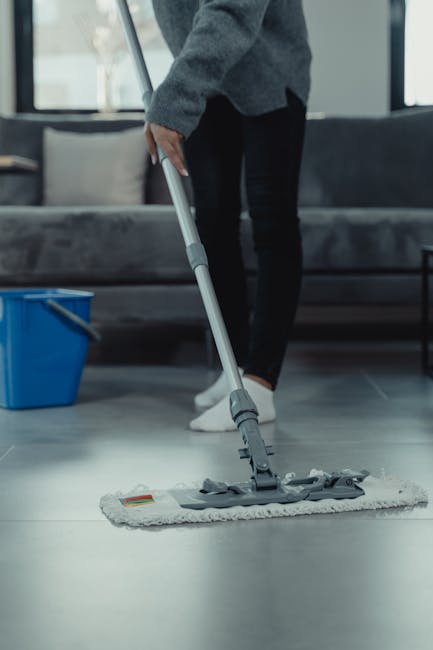
End of tenancy cleaning and Westminster council guidelines: what tenants, landlords, and agents should know
Moving out is rarely calm. Boxes everywhere, a last-minute key search, maybe a dusty skirting board you swear was never that bad until today. In that messy final stretch, end of tenancy cleaning and Westminster council guidelines can become the difference between a smooth handover and a stressful dispute. If you are renting in Westminster, the practical question is not just "Have I cleaned enough?" but "Have I cleaned in a way that meets normal letting expectations, tenancy obligations, and the standards local housing teams tend to care about?"
This guide explains the cleaning standard usually expected at the end of a tenancy, how Westminster-specific housing and environmental expectations can affect the process, what to prioritise, and how to avoid the common mistakes that trigger complaints. It is written for real people in real flats and houses, not spotless show homes. Let's keep it useful.
Table of Contents
- Why End of tenancy cleaning and Westminster council guidelines Matters
- How End of tenancy cleaning and Westminster council guidelines Works
- Key Benefits and Practical Advantages
- Who This Is For and When It Makes Sense
- Step-by-Step Guidance
- Expert Tips for Better Results
- Common Mistakes to Avoid
- Tools, Resources and Recommendations
- Law, Compliance, Standards, or Best Practice
- Options, Methods, or Comparison Table
- Case Study or Real-World Example
- Practical Checklist
- Conclusion
- Frequently Asked Questions
Why End of tenancy cleaning and Westminster council guidelines Matters
End of tenancy cleaning matters because the final inspection is usually where everything is judged at once: cleanliness, damage, rubbish removal, mould risk, odours, appliance condition, and whether the property is ready for the next occupier. In Westminster, that can matter even more because properties are often high-turnover, compact, and closely managed. A small issue in a kitchen or bathroom can stand out fast.
Westminster council guidelines are not a single "cleaning checklist" for every rented home, but the council does publish and enforce expectations around housing standards, waste disposal, nuisance, and safe living conditions. That means a departing tenant should think beyond surface shine. For example, a kitchen bin bag left behind, blocked ventilation, or visible grime around fixtures may create a poor impression and, in some cases, support a complaint about condition.
To be fair, many disputes are not about one big failure. They come from lots of little misses: limescale around taps, a greasy extractor fan, crumbs in drawers, or carpet marks that were never treated. If you have ever opened an oven door and thought, "Right, that's tomorrow's problem," you already know how this goes. The issue is that tomorrow sometimes becomes a deposit deduction.
Good cleaning is also about traceability. Agents and landlords usually want a property returned in a condition consistent with the tenancy agreement and the check-in inventory. If there is a dispute, photos, receipts, and a clear scope of cleaning help more than vague promises ever will.
Expert summary: The safest approach is to clean to a documented, room-by-room standard, treat the inventory as your benchmark, and make sure waste, appliances, and high-touch areas are genuinely finished rather than just "looking okay from the doorway".
How End of tenancy cleaning and Westminster council guidelines Works
In practice, the process works in layers. First, you review your tenancy agreement and inventory. Then you compare the property's current condition to the move-in record. After that, you clean every area to a professional standard and deal with any special items such as carpets, ovens, upholstery, or window tracks. The Westminster angle comes in where local housing standards, environmental expectations, and property management norms shape what is considered reasonable and complete.
If you are using a professional end of tenancy cleaning service, the cleaner will normally work from a room-by-room scope covering kitchens, bathrooms, bedrooms, living spaces, hallways, and sometimes balconies or utility areas. In a more demanding property, that scope may include carpet cleaning, oven cleaning, window cleaning, and detailed deep cleaning of hard-to-reach areas.
There is no mystery here. The standard is usually judged by condition, not effort. A tenant may have spent two full days scrubbing, but if grease is still on the hob or mould remains on sealant, the result will likely be viewed as incomplete. On the other hand, a well-organised clean with photos and sensible attention to detail can avoid needless back-and-forth.
A practical Westminster-based move-out clean also needs to factor in waste management. Council collection rules, communal bins, recycling separation, and bulky item disposal all affect how a property should be left. Leaving a pile of packaging, old mattress wrapping, or broken furniture in a shared hallway is asking for trouble, especially in tightly managed blocks.
Key Benefits and Practical Advantages
The biggest benefit is straightforward: a better chance of a full, clean handover. But there are several other advantages that are easy to miss when you are rushing around with tape and bin bags.
- Lower deposit dispute risk: A clearly cleaned property gives the landlord or agent fewer grounds to argue about neglect.
- Faster inspection sign-off: A thorough clean makes the final walk-through simpler and less awkward. Nobody enjoys a 20-minute stare at a hob.
- Better local compliance: If waste is removed correctly and the property is left hygienic, you are less likely to trigger complaints linked to local standards.
- Less stress on moving day: Cleaning after moving furniture is easier than trying to clean around stacks of boxes and bags.
- Improved handover relationships: A respectful handover keeps things calm, which matters if you need a reference or prompt deposit return.
There is also a financial angle. Professional cleaning can feel like another moving-out expense, but in many cases it is cheaper than dealing with partial deductions later. That is especially true if the property needs specialist work such as carpet stain removal or appliance detailing. If you want to compare options before booking, a sensible starting point is pricing and quotes.
And yes, it can be satisfying. There is a quiet little joy in seeing a limescale-free shower screen and knowing you are done. Small win, but still a win.
Who This Is For and When It Makes Sense
This topic matters most for tenants leaving a rented property in Westminster, but it is not only for tenants. Landlords, letting agents, housing managers, and even property guardians all have a stake in the result. If the property is going straight back on the market, the clean needs to be good enough for immediate reoccupation, not just a temporary tidy-up.
You should take this seriously if:
- your tenancy agreement requires the property to be returned professionally clean;
- the inventory shows the home was handed over in a high standard;
- you are moving from a flat with shared access or communal bins;
- the property has carpets, ovens, upholstery, or delicate finishes;
- there has been smoke, pet odour, heavy cooking, or general build-up over time;
- you are short on time and need a reliable one-off clean rather than a full domestic routine.
It also makes sense if you are a landlord preparing for new tenants and need the place reset properly. For smaller homes and flats, one-off cleaning can be a helpful solution when the property is not dirty in the everyday sense but still needs a proper reset.
If you are in a hurry, do not try to do everything yourself at the very last minute. That is the road to half-clean skirting boards and a mysteriously untouched oven shelf. Better to plan it properly.
Step-by-Step Guidance
Here is a sensible way to approach the clean without losing your mind halfway through.
- Read the tenancy agreement and inventory. Look for cleaning clauses, appliance notes, carpet condition, and anything mentioned at check-in.
- Remove all belongings first. Cleaning is much more effective once the flat is empty. It sounds obvious, but people still try to clean around piles of bags.
- Start high, finish low. Dust light fittings, shelves, and top edges before you vacuum or mop floors.
- Focus on kitchens and bathrooms. These are the first places agents inspect. Pay attention to sinks, taps, sealant, extractors, toilets, and tiles.
- Tackle appliances properly. The oven, fridge, microwave, and washing machine filter should not be forgotten.
- Work room by room. Complete one space before moving to the next. It keeps the job manageable and reduces missed spots.
- Deal with floors last. Vacuum carpets, then mop hard floors after all other cleaning is done.
- Take photos before you hand over. This gives you a record if anything is later questioned.
A lot of people ask whether they should clean before or after moving everything out. The honest answer is both, in a way. You can do a first pass while items are still present, but the final clean should happen after the space is empty. Otherwise you end up moving a chair three times and cleaning the same dust ring twice. Not ideal.
If your property includes carpets or soft furnishings that need special attention, consider pairing the move-out clean with upholstery cleaning or sofa cleaning where appropriate. For rugs, a separate rug cleaning service may be more suitable than a general vacuum.
Expert Tips for Better Results
Here is where the small details matter. These are the bits that usually separate an acceptable clean from a strong one.
- Use daylight where possible. Morning light shows streaks, dust, and missed marks better than warm evening bulbs. It is a bit unforgiving, but useful.
- Let products dwell properly. Spray and scrub immediately is often less effective than giving the cleaner a short working time.
- Work from clean to dirty zones. Bedrooms before kitchens, mirrors before sinks, dry dust before wet wiping.
- Pay attention to touch points. Handles, switches, rails, and taps collect more grime than people realise.
- Check hidden edges. Behind the toilet, under the sink lip, around oven seals, inside drawers, and along window tracks are common miss points.
- Keep cleaning cloths separate. One for glass, one for bathroom, one for kitchen. Mixing them makes everything murkier than it needs to be.
If you are cleaning a property in Westminster with a lot of hard flooring, it may be worth using a specialist approach for scuffs, grout, and residue rather than just a quick mop. Hard floor cleaning is often overlooked, yet polished floors and tile edges can make a big difference to first impressions.
One more thing: odour matters. Even a clean property can feel unfinished if there is lingering food smell, dampness, or stale air. Open windows briefly, ventilate well, and make sure bins are emptied properly. It is a tiny step, but it changes the feel of a place immediately.
Common Mistakes to Avoid
Most end of tenancy issues are avoidable. The problem is usually not a lack of effort; it is a mismatch between effort and inspection standards. Here are the common mistakes that cause headaches.
- Cleaning too early: If you clean before everything is moved out, dust and debris return almost instantly.
- Skipping appliances: Ovens, fridges, freezers, and extractor fans are frequent dispute points.
- Forgetting limescale and mould: Especially in bathrooms, these are not just cosmetic. They signal poor maintenance.
- Leaving rubbish behind: Even "small" rubbish can create a bad impression, particularly in shared buildings.
- Not checking the inventory: You may clean the wrong things if you do not compare against the check-in record.
- Using the wrong products: Strong chemicals can damage surfaces, especially delicate worktops, mirrors, or upholstery.
- Ignoring windows and tracks: Clean glass but grimy frames look unfinished. Agents notice. They always do.
A common one in Westminster is communal-area sloppiness. People focus on the flat and forget the hall, stairwell, or bin storage area they actually used. If the building is shared, make sure your rubbish has been sorted and removed according to the property's disposal arrangements. It sounds boring, but it matters.
Tools, Resources and Recommendations
You do not need a van full of gear to do a decent job, but you do need the right basics. A smart kit saves time and keeps the finish more consistent.
- microfibre cloths for general wiping and glass;
- non-abrasive sponges for kitchen and bathroom surfaces;
- vacuum cleaner with attachments for edges, skirting, and upholstery;
- mop and bucket for hard floors;
- degreaser suitable for ovens and hobs;
- limescale remover for taps, shower screens, and tiles;
- bin bags and recycling bags for waste removal;
- a small step stool for top shelves, vents, and light fixtures.
If the property needs more than a standard clean, it is worth looking at specialist help rather than trying to improvise. For example, a tenancy ending after renovation or decoration may need after builders cleaning to remove fine dust and paint splatter. For routine homes, domestic cleaning may cover maintenance needs, but end-of-tenancy work is usually more intensive.
And if you are comparing providers, look for transparent scope, clear communication, and sensible policies. A trustworthy cleaning company should be able to explain what is included, what is not, and how they handle complaints or follow-up concerns. That clarity is worth a lot when time is tight.
Law, Compliance, Standards, or Best Practice
This is the part people often want simplified. Fair enough.
In the UK, the legal and contractual side of end of tenancy cleaning usually comes down to your tenancy agreement, the condition of the property at check-in, and whether the property is returned in a comparable state of cleanliness, allowing for fair wear and tear. Westminster council guidelines come into play through housing standards, waste management expectations, and general environmental health responsibilities, rather than through a one-size-fits-all cleaning rule.
That means the safest best practice is to work from the evidence you already have:
- the inventory and check-in report;
- your tenancy agreement clauses on cleaning and waste;
- photos from move-in and move-out;
- any written instructions from the agent or landlord;
- building-specific waste or access rules, especially in managed blocks.
It is also wise to be careful with substances, ventilation, and electrical items. A cleaner should not create a new safety issue while fixing an old one. If you are choosing a professional provider, review their health and safety policy and their insurance and safety information so you know how risk is managed.
Best practice is not about perfection. It is about reasonable, well-documented, inspection-ready cleaning. That distinction saves a lot of nonsense later.
Options, Methods, or Comparison Table
There are usually three routes people take at the end of a tenancy: do it yourself, book a general cleaner, or book a specialist end-of-tenancy service. Each can work, but the right choice depends on condition, time, and risk tolerance.
| Option | Best for | Strengths | Watch-outs |
|---|---|---|---|
| DIY clean | Small, lightly used properties | Lowest direct cost, full control | Time-consuming, easy to miss detail, no professional backup |
| General domestic clean | Homes needing a strong reset | Good for regular grime, flexible | May not include oven, carpets, or detailed inventory-level work |
| Specialist end-of-tenancy clean | Inspection-heavy move-outs | Structured scope, better finish, more suitable for handover | Higher upfront cost, and results still depend on property condition |
In many Westminster flats, the specialist option makes sense because the property may have limited storage, compact rooms, and more wear on kitchens and bathrooms. If carpets are part of the equation, adding carpet cleaning can make the whole place feel properly reset rather than just "surface clean".
For landlords or managing agents, the service mix might also include window cleaning and attention to shared surfaces. The point is to make the next occupancy easier, not create another half-day of touch-ups.
Case Study or Real-World Example
Picture a two-bedroom Westminster flat in a managed block near busy roads. The tenant has already moved out most furniture, but the kitchen still has grease around the extractor, the bathroom has limescale on the shower screen, and the living room carpet has a few traffic marks by the sofa area. Nothing disastrous. Just enough to become a problem during the final inspection.
In a real-world setup like this, the best outcome usually comes from a structured end-of-tenancy clean rather than a quick blitz. The cleaner works room by room, starts with dust and cobwebs, then handles the kitchen appliances, bathroom fixtures, skirting boards, window ledges, and floors. Carpet spots are treated separately, and the property is aired out at the end so it feels fresh rather than chemically heavy.
The interesting part is what happens after that. The agent walks in, notices the kitchen feels clean, the bathroom looks cared for, and the flat no longer has that stale "moving day" smell. There may still be minor wear, of course. But the overall impression is one of proper upkeep. That is usually enough to keep the conversation factual, not argumentative.
That kind of result is much easier when you plan ahead, book the right help, and give yourself enough time for final checks. A rushed finish almost never looks relaxed. Funny how that works.
Practical Checklist
Use this as a final walk-through checklist before handing back the keys.
- All personal belongings removed from cupboards, drawers, loft spaces, and under beds
- All rubbish, recycling, and food waste taken out
- Kitchen surfaces degreased and wiped
- Oven, hob, extractor, and fridge cleaned
- Bathroom tiles, taps, shower screen, toilet, and sealant checked
- Windows, frames, and tracks cleaned where accessible
- Carpets vacuumed and stains treated where possible
- Hard floors swept and mopped
- Skirting boards, switches, and handles wiped down
- Light fittings dusted and cleaned safely
- Odours addressed and rooms aired briefly
- Final photos taken in good light
- Keys, fobs, and instructions ready for handover
If you can tick every line on that list, you are in a much stronger position. Not perfect, maybe, but properly prepared. And that counts for a lot.
Conclusion
End of tenancy cleaning in Westminster is really about control: control of the detail, control of the handover, and control of the outcome. The council angle matters because local housing and waste expectations shape how a property should be left, while the tenancy agreement and inventory shape how the clean will be judged. Bring those together and the picture becomes clearer.
The simplest approach is also the safest one: clean methodically, document what you have done, handle waste properly, and do not overlook the hidden problem spots. If the property needs more than standard domestic cleaning, bring in the right help early rather than hoping a rushed last-minute scrub will somehow do the trick.
Get a free quote today and see how much you can save.
And if you are standing in an almost-empty flat right now, looking at one last dusty corner and wondering whether it is worth the effort - yes, it is. That final bit often makes the difference.
Frequently Asked Questions
What does end of tenancy cleaning usually include?
It usually includes a full clean of kitchens, bathrooms, bedrooms, living areas, and hallways, plus detailed work on appliances, surfaces, skirting boards, and floors. Depending on the property, it may also include carpets, upholstery, and windows.
Do Westminster council guidelines set a specific cleaning checklist for tenants?
Not usually as a single universal checklist. In practice, the relevant points come from local housing expectations, waste rules, environmental health standards, and the tenancy agreement. The inventory remains the main benchmark for cleanliness.
Is professional end of tenancy cleaning worth it in Westminster?
Often, yes. In high-turnover properties or homes with carpets, ovens, and bathrooms that need detail work, a professional clean can reduce stress and help the handover go more smoothly.
Can I do the cleaning myself and still pass the inspection?
Yes, if the property is returned to a genuinely high standard and matches the inventory condition fairly. The risk is missing detail areas like oven interiors, limescale, or hidden dust, which are common dispute points.
What are the biggest problem areas during a final inspection?
Kitchens, bathrooms, ovens, carpets, window tracks, and any leftover rubbish are the usual trouble spots. Smells and visible grime around switches or sealant can also raise concerns quickly.
Should I clean before or after moving out?
Do both if needed, but the final clean should happen after the property is empty. That way you can reach the edges, treat floors properly, and avoid cleaning the same surface twice.
Do carpets need to be professionally cleaned?
Not always, but many tenancy agreements expect a good standard of cleanliness, and some properties benefit from professional carpet cleaning, especially if there are stains, odours, or visible traffic marks.
What should I do about rubbish and unwanted items?
Remove everything from the property and follow any building or council waste instructions. If there are bulky items, plan disposal early. Leaving waste behind is one of the easiest ways to create a complaint.
How far in advance should I book a move-out clean?
As early as you can, especially if you want a specific date around move-out and key handover. In busy periods, leaving it too late can make the process far more stressful than it needs to be.
What if my property has damage as well as dirt?
Cleaning can improve appearance, but it does not replace repairs. Report damage separately, because scuffs, broken fittings, or missing items are usually handled differently from cleaning issues.
Do I need to keep evidence of the clean?
Yes. A few dated photos after the clean can be very helpful if there is a later dispute. They do not need to be fancy; they just need to show the condition clearly.
How do I choose between a general cleaner and a specialist service?
If the property is lightly used, a general clean may be enough. If the handover will be judged against a detailed inventory, or if appliances and carpets need extra care, a specialist service is usually the safer choice.
What should I ask a cleaning provider before booking?
Ask what is included, whether they cover ovens or carpets, how they handle complaints, and whether they have clear safety and insurance information. Transparency matters more than a flashy promise.