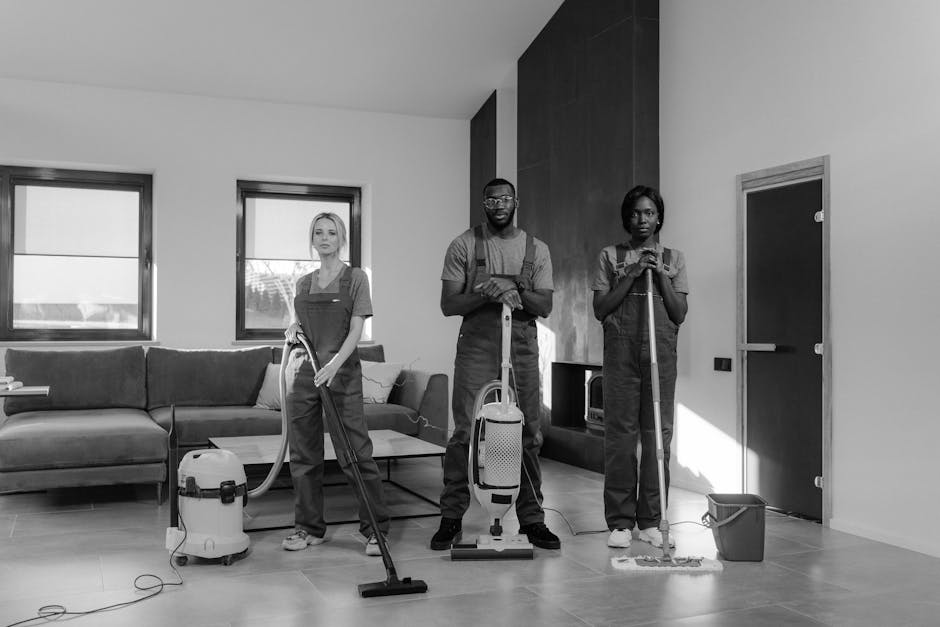
Avoid hidden cleaning charges in Maida Vale what to know
If you have ever booked a cleaner and then seen the final bill creep up for "extras", you are not alone. Hidden cleaning charges can turn a simple booking into a frustrating surprise, especially when you just wanted a tidy flat, a clear price, and no drama. In Maida Vale, where homes range from compact mansion blocks to larger family properties, the details matter even more. This guide on Avoid hidden cleaning charges in Maida Vale what to know explains where those extra costs usually come from, how to spot them early, and what to ask before anyone picks up a mop.
Truth be told, most problems happen because the quote was vague, not because the cleaner was trying to be tricky. A well-run company should make pricing clear, spell out what is included, and explain any likely add-ons before work begins. That is the standard to aim for. And if you are comparing providers, it helps to look beyond the headline price and check practical details like pricing and quotes, terms and conditions, and whether payment is handled securely through payment and security.
This article is built to help you make a calmer, smarter decision. No fluff. Just the useful bits you wish people told you before booking. A bit of common sense goes a long way, doesn't it?
Expert summary: The best way to avoid hidden cleaning charges is to define the job clearly, confirm what is excluded, ask how extras are priced, and keep everything agreed in writing before the clean starts.
Table of Contents
- Why this matters in Maida Vale
- How hidden cleaning charges usually appear
- Key benefits of transparent pricing
- Who needs this and when it makes sense
- Step-by-step guidance to avoid surprise fees
- Expert tips for better results
- Common mistakes to avoid
- Tools, resources and recommendations
- Law, compliance, standards and best practice
- Options and comparison table
- Case study or real-world example
- Practical checklist
- Conclusion
- Frequently asked questions
Why Avoid hidden cleaning charges in Maida Vale what to know Matters
Hidden charges are more than a budgeting nuisance. They can affect trust, scheduling, and even the quality of the clean. If a company is unclear about what is included, you may hesitate to book again. You may also feel pressured on the day, which is never a nice place to be when someone is standing in your hallway asking about an unexpected stain treatment or an "access fee".
Maida Vale clients often value convenience and reliability. That makes transparency especially important. Many people here are booking around work, family, travel, or letting deadlines, so a surprise charge can throw off the whole plan. The cleaner might still do perfectly good work, but the experience feels messy. And let's face it, nobody wants to argue about a price while a hoover is running in the next room.
There is also a wider trust angle. Companies that present pricing clearly often tend to be more organised elsewhere too: arrival times, communication, insurance, safety, and complaints handling. That does not guarantee perfection, of course, but it is a good sign. If you want to understand how a provider handles customer concerns, it is sensible to check its complaints procedure and learn more about the business through its about us page.
Practical truth: A cheap-looking quote is only a bargain if it stays cheap after the job is done.
In local cleaning services, clarity is not a luxury. It is part of the service.
How Avoid hidden cleaning charges in Maida Vale what to know Works
Hidden cleaning charges usually appear when the initial quote leaves room for interpretation. The company may quote for a standard visit, but later charge for things it says were not covered. Sometimes that is reasonable. Sometimes it is just vague wording catching the customer out. The difference is whether the exclusions were explained plainly before booking.
Common examples include extra time for severe dirt, cleaning inside appliances, moving heavy furniture, stair-heavy access, pet hair removal, or specialist products for certain surfaces. None of these are automatically unfair. The problem is when they arrive out of nowhere.
Here is how the pricing process should ideally work:
- You describe the property, the rooms, and the condition honestly.
- The provider explains what a standard clean includes.
- Any likely extras are named in advance.
- You receive a quote, ideally with a written breakdown.
- If the job changes on the day, the cleaner checks with you before adding costs.
That last step matters a lot. If a cleaner discovers that the oven needs more work than expected, or that end-of-tenancy conditions are much tougher than described, they should stop and confirm the revised price. No one likes being cornered after the fact. Not you, not the cleaner.
For some households, the issue is not a hidden fee but a hidden definition. "Deep clean", "spring clean", "end of tenancy clean", and "standard clean" are not identical terms. Each can mean something slightly different depending on the provider. That is why written scopes matter so much. If in doubt, ask for the exact inclusions in plain English. A decent company will not mind.
Key Benefits and Practical Advantages
Getting the pricing structure right brings a few real-world benefits that are easy to overlook until something goes wrong. For a start, you can compare quotes properly. If one provider appears more expensive but includes more tasks, it may actually be the better deal. Without a fair comparison, people often choose the lowest headline number and then pay more later.
You also avoid awkward conversations on the day. Nobody enjoys being told there is an extra charge while the clean is underway and the kettle is still cooling. Clear pricing keeps the atmosphere calm and professional.
Here are the main advantages:
- Better budget control - you know roughly what to expect before the booking is confirmed.
- Cleaner comparisons - you can compare like with like, rather than guessing.
- Fewer disputes - clear terms reduce the chance of disagreements later.
- Higher trust - transparent businesses tend to feel easier to deal with.
- More suitable service selection - you can choose standard, deep, or specialist cleaning more accurately.
There is another quiet benefit: transparency helps you notice whether a company is genuinely professional. It is not just about pricing. It often links to how they handle insurance and safety and whether they maintain a proper health and safety policy. Those details matter when workers are entering your home, moving equipment, or using cleaning products around delicate surfaces.
So yes, avoiding hidden charges saves money. But it also saves energy. And sometimes that is the bigger win.
Who This Is For and When It Makes Sense
This advice is useful for almost anyone booking home cleaning in Maida Vale, but it is especially helpful if you are:
- a homeowner comparing one-off and regular cleans;
- a tenant preparing for end of tenancy or move-out cleaning;
- a landlord arranging a turnaround between occupants;
- a busy professional needing a recurring service with predictable billing;
- a family managing larger rooms, stairs, or high-traffic areas;
- someone booking a first clean with a new provider.
It makes particular sense when the property has specific features that may affect the price. Think long staircases, fragile finishes, heavy limescale, pet hair, or an oven that has not been touched since the last century. Fine, maybe not that long. But you get the idea.
It also makes sense if you are booking remotely and cannot be there in person. In those cases, you need the scope pinned down in advance because you will not be there to clarify things on the spot. That is where solid communication matters. If you have questions, use the contact us page rather than assuming the quote covers everything.
To be fair, even experienced customers can get caught out if they rely on memory rather than written terms. The aim here is not suspicion. It is clarity. A straightforward process should make you feel more relaxed, not less.
Step-by-Step Guidance
If you want a practical way to avoid hidden cleaning charges, use this step-by-step approach before booking:
1. Describe the job accurately
Be honest about the size of the property, the condition of the rooms, pets, stains, and any awkward access. If you understate the work, the quote may be too low and extra charges may follow. Nobody benefits from a polite lie about the oven.
2. Ask what is included
Do not stop at "deep clean" or "standard clean". Ask what that means in practice. Which rooms? Which surfaces? Are interior windows included? What about skirting boards, inside cupboards, and appliances?
3. Ask what is excluded
This is the part many people skip. It is often where hidden costs live. Ask whether specialist tasks, heavy-scale removal, extra travel, parking, or additional time are charged separately.
4. Request a written quote or summary
A written breakdown helps avoid misunderstandings. You do not need a legal essay. You just need enough detail to know what you are paying for and what could change it.
5. Confirm the pricing trigger for extras
If a job takes longer than planned or needs more intensive work, when does the price change? Is it by the half hour, by task, or by pre-agreed add-on? Ask before the clean, not after.
6. Check payment terms
Find out when payment is due, what methods are accepted, and whether deposits are refundable if the booking changes. You should also know how your details are handled by reading the privacy policy.
7. Keep the agreement handy
Save emails or messages confirming the scope and cost. If anything looks different on the day, you have a clear reference point. It makes conversations quicker and much less tense.
8. Review the final invoice before paying
If the charge is higher than expected, ask for a breakdown. A good provider should be able to explain it clearly. If they cannot, that is a red flag. Simple as that.
Expert Tips for Better Results
After dealing with many types of cleaning bookings, a few habits consistently help people avoid surprises. They are not glamorous, but they work.
- Use photos for tricky jobs. If the property has heavy buildup, awkward access, or unusual surfaces, a few clear photos can help the provider quote more accurately.
- Separate routine cleaning from specialist work. A standard weekly clean and a deep post-renovation clean are not the same thing. Keep them separate in your head, and in the quote.
- Ask about parking and access. In London, this can affect time and cost. A van that has nowhere to stop can slow the job down.
- Confirm the end time. If a cleaner charges by time, knowing the expected duration helps avoid vague extensions.
- Choose firms that explain things plainly. Clear wording often signals a better overall customer experience.
One small but useful trick: ask, "What would cause the price to change?" That question cuts through the jargon very quickly. If the answer sounds vague, keep asking until it does not.
Also, pay attention to how a company talks about safety and responsibility. A provider that is thoughtful about recycling and sustainability and sets out robust internal standards is often more careful in day-to-day operations too. Not always, but often enough to matter.
Common Mistakes to Avoid
A lot of hidden charge problems are avoidable, but only if you know where people usually slip up. These are the big ones:
- Accepting a quote without checking exclusions. The headline price is only part of the story.
- Assuming "deep clean" means the same everywhere. It does not.
- Not mentioning problem areas. Hidden buildup does not stay hidden forever, especially not once the cleaner arrives.
- Failing to confirm access details. Top-floor flats, difficult parking, or restricted entry can all affect the booking.
- Ignoring the terms and conditions. They can contain important details about cancellations, amendments, and charges.
- Not asking about deposits or prepayments. Know what happens if you need to reschedule.
A smaller but surprisingly common mistake is comparing companies on price alone. That can backfire. A slightly higher quote with clear inclusions may be much better value than a low quote that keeps growing. Cheap is not always cheap, if you see what I mean.
And yes, you should also check whether the company has straightforward channels for resolution if something goes wrong. A clear complaints procedure is a good sign that the business takes accountability seriously.
Tools, Resources and Recommendations
You do not need fancy software to avoid hidden cleaning charges, but a few simple tools help:
- A written checklist of rooms and tasks you expect to be included.
- Property photos for quotes, especially for larger or more complex homes.
- A note of access details such as entry codes, parking limitations, or lift restrictions.
- Saved messages or emails confirming pricing and scope.
- Receipt or invoice records for later reference.
For many customers, the best resource is simply a provider that explains its service well. A good starting point is the company's pricing page, because it often shows how quotes are structured and what influences the cost. If you need to understand how the business operates behind the scenes, the about us page and trust pages can be just as useful.
Some customers also want reassurance about payment handling. That is fair. If the booking involves advance payment or card details, review the company's payment and security information before confirming anything. You do not need to be paranoid. Just careful. Sensible, really.
Law, Compliance, Standards, or Best Practice
For home cleaning in the UK, the most useful starting point is not a dramatic legal argument. It is ordinary best practice: clear information, fair description of services, and honest communication about extras. A provider should not mislead you about the likely cost of a job. If the scope changes, that should be explained before you are charged more.
In practical terms, this means:
- quotes should be understandable;
- terms should not hide important price triggers;
- any extra charges should be explained before they are applied;
- staff should work safely and responsibly;
- customer data should be handled carefully.
That last point is often overlooked. If you share contact details, access instructions, or payment information, you want those handled properly. Reading the privacy and security pages is a sensible habit, not an overreaction.
Best practice also includes insurance and safety awareness. If a cleaner uses equipment in your home, there is always some level of risk. Reputable companies should be able to explain their approach to insurance and safety in plain English. It is one of those boring checks that becomes very interesting if something goes wrong.
You may also want to understand any site-wide policies if you use the business more than once. That includes the terms and conditions, privacy policy, and, if relevant, the company's approach to accessibility through its accessibility statement. Small details, yes. But they tell you a lot.
Options, Methods, or Comparison Table
Not every cleaning booking works the same way. Here is a simple comparison to help you decide what you need and what to ask for.
| Booking type | Typical scope | Common hidden charge risk | Best way to avoid surprises |
|---|---|---|---|
| Standard clean | Routine cleaning of main living areas | Extra time for grime, appliances, or neglected rooms | Confirm exactly which rooms and tasks are included |
| Deep clean | More detailed, more intensive work | Add-ons for heavy buildup, limescale, or awkward surfaces | Ask how deep the clean goes and what products are used |
| End of tenancy clean | Move-out level cleaning for a property handover | Charges for oven, carpet, blinds, or cupboard interiors | Request a room-by-room breakdown before booking |
| One-off specialist clean | Targeted support after events, renovation, or long gaps | Variable pricing because the condition is uncertain | Share photos and ask for a capped quote if possible |
The best method depends on your situation. If the property is already in decent condition, a standard clean may be enough. If you are moving out and need the place handed over properly, a deeper service may be more suitable, but only if the scope is crystal clear. A lower quote is not useful if it omits half the job.
Case Study or Real-World Example
A straightforward example: imagine a Maida Vale flat where the owner wants a one-off clean before guests arrive. The place looks tidy at first glance, but the oven has grease buildup, the bathroom has limescale around the taps, and the lounge carpet has pet hair in the corners. If the booking is arranged as a simple standard clean without these details mentioned, the cleaner may arrive and realise the job is more intensive than expected.
What happens next depends on the company. A transparent provider should pause, explain the difference, and offer a revised price before carrying on. A less careful provider may do the work first and discuss the extra cost later, which is where tension starts. That is the exact kind of situation this guide is trying to help you avoid.
Now compare that with a better approach. The customer sends a few photos, confirms the oven and bathroom scale, asks what counts as extra, and gets a written quote that notes possible add-ons. The clean goes ahead. No surprises. No awkward ending. Just a tidy home and a bill that matches the conversation. Very simple, and honestly how it should be.
Practical Checklist
Use this checklist before you confirm any cleaning booking in Maida Vale:
- Have I described the property accurately?
- Do I know exactly what the quoted price includes?
- Have I asked what is excluded?
- Do I know how extras are charged?
- Have I confirmed access, parking, and entry details?
- Have I checked whether deposits or cancellations affect the price?
- Do I have the quote or summary in writing?
- Have I read the terms and conditions?
- Do I know who to contact if something changes?
- Have I checked payment handling and security?
If you can tick most of those boxes, you are in a much better position than most first-time bookers. And if a provider resists these questions, that tells you something too.
One more thing: if you want to keep the process simple, choose a company that communicates clearly from the beginning. That often saves time later, which is worth a lot on a busy weekday morning when everyone is rushing around.
Conclusion
Avoiding hidden cleaning charges in Maida Vale is really about one thing: clarity before commitment. When you know what is included, what might cost extra, and how the provider handles changes, you are much less likely to face an unpleasant surprise. That protects your budget, but it also protects your peace of mind.
The best bookings are the boring ones, in the good sense. Clear quote. Clear scope. Clear timing. Clear payment. Then the only thing left to notice is that the place smells fresh and looks properly clean.
If you are comparing providers, take a moment to review their pricing, policy pages, and support information. A few minutes now can save a lot of back-and-forth later. And that, in a busy part of London, is no small thing.
Get a free quote today and see how much you can save.
Choose transparency, ask the awkward question early, and you will usually get a far better result. Simple as that.
Frequently Asked Questions
What are hidden cleaning charges?
Hidden cleaning charges are extra costs that were not clearly explained before booking. They may relate to extra time, specialist tasks, access issues, or cleaning conditions that were not fully described upfront.
How can I avoid surprise fees when booking a cleaner in Maida Vale?
Ask for a written quote, confirm what is included and excluded, describe the property honestly, and check how extras are charged. If anything is vague, ask again before confirming.
Is a cheaper quote always better?
Not necessarily. A very low quote can leave out important tasks and end up costing more later. A clearer, more detailed quote is often better value than a bargain headline price.
Should I mention stains, pets, or heavy dirt before booking?
Yes. Always mention anything that may make the job more intensive. That helps the provider quote properly and reduces the chance of add-on charges later.
What should be written in the quote?
The quote should ideally say what rooms or tasks are included, what could cost extra, how payment works, and any assumptions the provider is making about the property.
Are end of tenancy cleans more likely to include extra charges?
They can be, because the scope is often broader and the property condition may vary. That is why room-by-room clarity matters so much for move-out cleans.
What if the cleaner says the job is bigger than expected?
They should explain that before adding costs. If the work changes significantly, you should be asked to agree to the new price before the extra work is done.
Does payment security matter for cleaning bookings?
Yes. If you pay online or share card details, you should know how your information is handled. A clear payment and security page is a reassuring sign.
How do terms and conditions help me?
They explain the booking rules, cancellation terms, price changes, and responsibilities on both sides. A quick read can prevent a lot of confusion later.
What if I am unhappy with unexpected charges?
First ask for a clear breakdown. If the issue is not resolved, use the company's complaints procedure so the problem is reviewed properly and fairly.
Are parking or access fees normal in London cleaning jobs?
They can be, depending on the provider and the property. The important thing is that these costs are explained in advance, not added as a surprise after the job.
Where can I ask questions before booking?
You can use the company's contact page to clarify the scope, pricing, and any special requirements before confirming. That is often the simplest way to avoid misunderstandings.